Cash in transit
Every run. Every crew. Always connected.
Instant, encrypted communications for cash-in-transit crews and control rooms
- Encrypted voice
- Live GPS
- One-touch SOS
- Man-down
- Geofenced routes
- Call playback
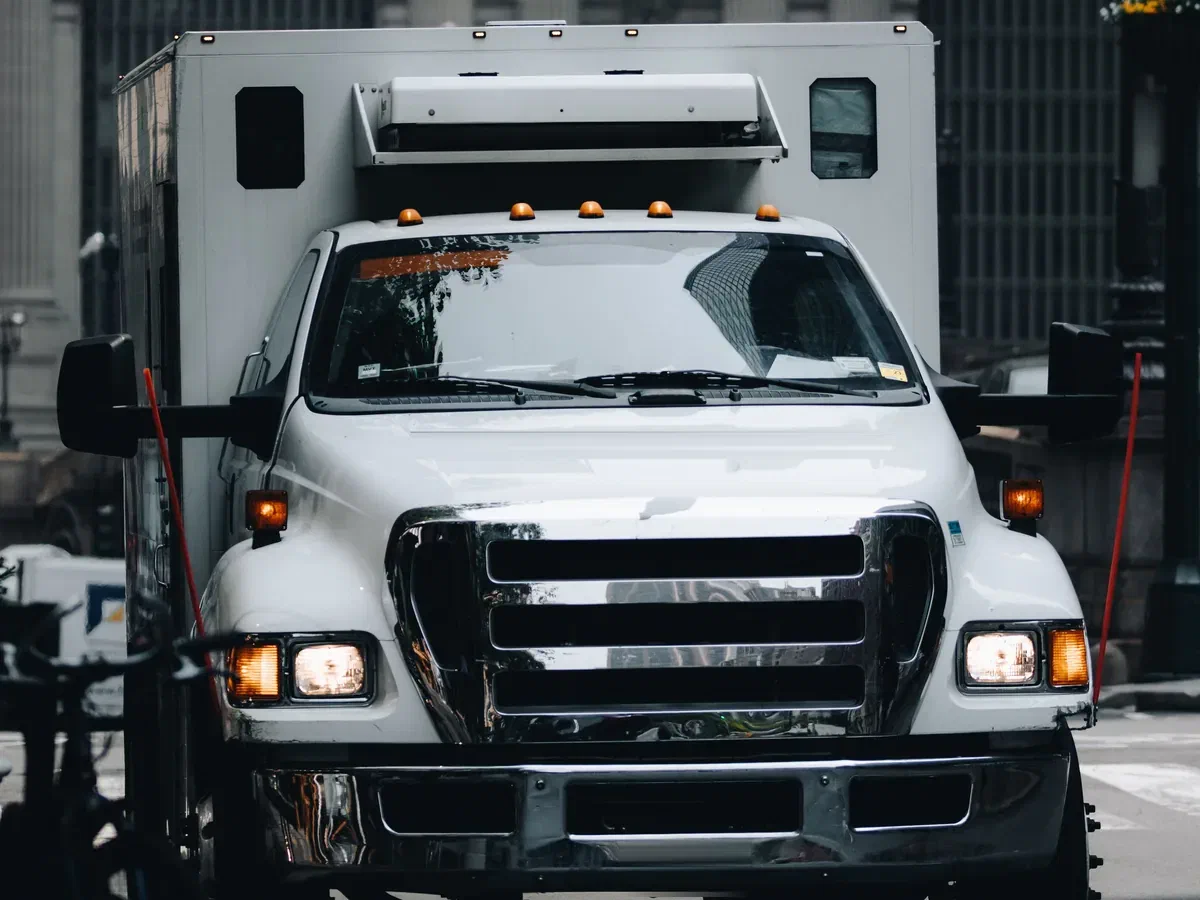
Crews and cash
Protecting crews and cash on every run
Instant communications for the moments cash-in-transit is most at risk
Cash-in-transit crews face constant threat, and the riskiest moments, leaving the vault, stopping at a branch, stepping onto the pavement, last only seconds. When something goes wrong, the control room needs to know who, where and what at once, and the crew needs one button to get help.
| Risk point | What goes wrong today | How Tactiron responds |
|---|---|---|
| Route deviation | Vehicle leaves its planned route unnoticed | Geofenced routes and live GPS alert the control room the moment a van leaves its corridor |
| Pavement transfer | Crew member is out of the vehicle with no quick way to call for help | Covert earpiece and one-touch SOS send voice and location together |
| Crew incapacitated | No one can raise the alarm | Man-down alert triggers automatically from the handheld when it detects a fall or no movement |
| Radio dead zones | VHF/UHF fails between towns and in dense city blocks | Works over any mobile network or Wi-Fi, so coverage holds where radio drops |
| Cross-border runs | Separate systems for each country | One system and the same talk groups across the region |
| Incident review | No record of what was said or where | Call playback, GPS history and trip reports for investigators and insurers |
One channel
One channel for crew, vehicle and control room
Handhelds, vehicle terminals and the Windows dispatcher share encrypted talk groups. Supervisors reach one crew, one region or the whole fleet, and track every vehicle and officer on one map. AES-256 encryption keeps run details, cash volumes and stop times private.
Trusted by security leaders





Cash run
A cash run, step by step
| Stage | Crew | Control room |
|---|---|---|
| Depot & vault | Shift check-in on the handheld; NFC tag at the vault confirms crew and time | Run assigned to a talk group; vehicle and crew appear live on the map |
| On the road | Driver talks hands-free through the in-vehicle terminal | Live tracking against the geofenced route; alert if the van deviates |
| Arrival at stop | Crew confirms arrival by PTT and scans the NFC tag at the client site | Stop time logged automatically in the trip report |
| Pavement transfer | Messenger wears a covert earpiece; SOS is one press away; man-down is active | Can listen in on alert; calls the nearest units on the group channel |
| Incident | SOS sends voice, ID and GPS position instantly | Alarm on the dispatcher screen; escalation to the response team and police liaison |
| Return & close | Vault check-in by NFC; end-of-shift report | Full run recorded: route, stops, calls and playback for audit |
Cellular vs radio
Cellular PTT vs conventional radio for CIT
| Feature | Cellular PTT | Conventional VHF/UHF radio |
|---|---|---|
| Range | Works wherever mobile data is available, in the city or on the highway | Depends on terrain, antennas and repeaters |
| Route oversight | GPS, geofencing and trip reports built in | Usually voice only |
| Security | Encrypted voice and central user management | Analogue is easily scanned; encryption varies by model |
| Resilience | A digital mobile radio (DMR) add-on lets crews talk directly to each other when there is no signal | Works without a network, but each site needs assessing first |
| Cost | Annual subscriptions; no masts to build | Infrastructure, licensing and support |
Contact