Every well. Every shift. Always connected.
Instant, encrypted communications for field crews, plant operators, pipeline teams and control rooms
- Encrypted voice
- Live location
- SOS & man-down
- Satellite links
- On-premise hosting
Built for
- Upstream fields
- Refineries & gas plants
- Pipelines
- Offshore & remote sites
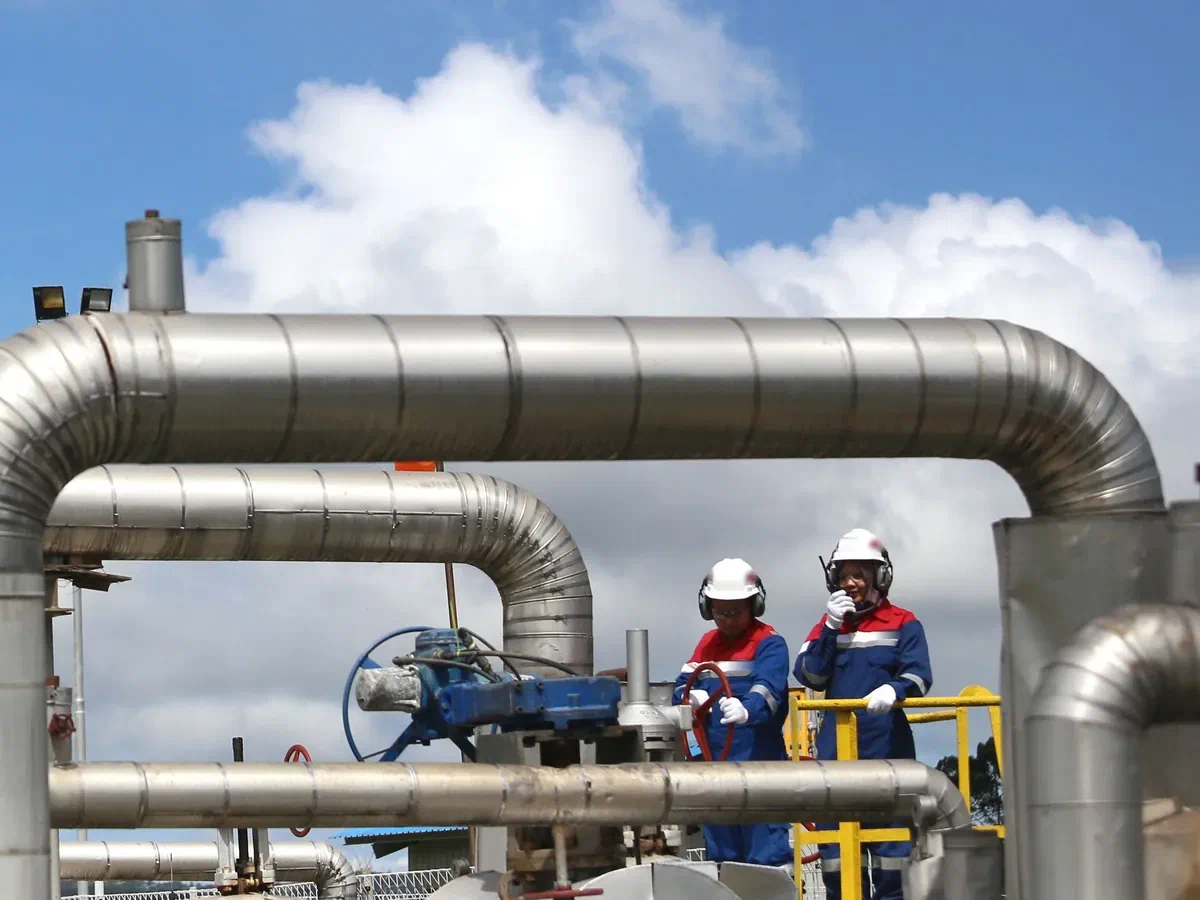
Safer crews and faster response across every site
Instant communications for the moments oil and gas operations are most at risk
Oil and gas crews work far from help. Operators walk plant rounds alone, pipeline teams drive hundreds of kilometres between stations, and well sites sit in desert with weak mobile coverage. When a leak, fire or injury happens, the control room needs every person accounted for and the right crew moving within minutes.
Where oil and gas operations are exposed
| Risk point | What goes wrong today | How Tactiron responds |
|---|---|---|
| Lone workers | An operator on a plant round or a remote wellhead falls ill with nobody nearby | Automatic man-down alert when a worker stops moving, plus one-touch SOS with voice and location |
| Emergency mustering | Head counts by phone and paper lists while the alarm sounds | One group call reaches everyone on site; NFC checkpoint scans and the live map show who has reached the muster point |
| Remote sites & pipelines | No mobile signal at the wellhead, pumping station or on the pipeline route | Runs over cellular, private LTE, Wi-Fi and satellite; Starlink, Iridium and Thuraya tested |
| Separate radio systems | Contractors, plant radio and the control room each on their own network | Gateway or audio cross-connect to your TETRA, DMR or VHF/UHF radio network |
| Shift handover | Open work and permit details passed on by word of mouth | Group chat with photos and documents per unit, with call playback for the incoming shift |
| Data control | Operational voice and location data held on a foreign cloud | Hosted on your own servers, in-country or on-premise, with no US company in the chain |
One channel for field, plant and control room
Handhelds, vehicle units and the desktop dispatcher share encrypted talk groups. The control room reaches one operator, one unit or every person on the site, and tracks crews and vehicles on one map. AES-256 encryption keeps well data, production figures and incident details private.
A field shift, step by step
What field crews and the control room see at each stage
| Stage | Field crew | Control room |
|---|---|---|
| Shift start | Operator checks in on the handheld; NFC tag confirms the unit or vehicle | Crew appears live on the map, grouped by unit and talk group |
| Plant rounds | NFC checkpoint scans along the route; hands-free voice activation when gloves are on | Checkpoint scans and location shown live on the map |
| Field work | Photos and documents shared in the unit's group chat; private calls to the supervisor | Geofence alerts when a device enters or leaves a marked area |
| Incident | SOS or automatic man-down sends voice, ID and location | Alarm on screen; listen in on alert and send the nearest crew |
| Muster | Group call to all units; workers scan the NFC tag at their muster point | Live map and checkpoint scans show who has mustered and who is missing |
| Shift handover | Open items left in the group chat for the next shift | Full record: calls, locations and messages kept for review |
Tactiron One vs conventional radio on its own
| Feature | Tactiron One | Conventional VHF/UHF radio |
|---|---|---|
| Coverage | Cellular, private LTE, Wi-Fi and satellite, so remote sites stay connected | Depends on terrain, antennas and repeaters |
| Worker safety | SOS, man-down and listen-in on every device | Varies by model |
| Location | Live map, location history and geofences | Usually voice only |
| Records | Call playback, location history and an audit log | Recording needs separate equipment |
| Existing radio | Joins your TETRA, DMR or VHF/UHF network through a gateway | One network per system |
| Scaling | Add a crew, contractor or site in minutes; no masts to build | Infrastructure, licensing and support |
Every part of the oil and gas chain on one platform
Configured for each type of site
-
Upstream fields & well sites
Drilling, production and well services crews on one map, with man-down for anyone working alone.
-
Offshore platforms & vessels
Satellite links keep platforms and supply vessels on the same talk groups as the shore base.
-
Refineries & petrochemical plants
Unit talk groups, plant rounds with NFC checkpoints and a group call for every muster.
-
Gas processing & LNG terminals
Operators, maintenance and contractors coordinated from one dispatcher console.
-
Pipelines & pumping stations
Patrol and maintenance vehicles tracked along the route, with SOS on the road.
-
Fuel depots & terminals
Loading bays, tanker drivers and the terminal control room in one channel.
Deployment & support
-
Rollout planned around your fields, plants and rotation schedules.
-
Talk groups set up to match your units, contractors and emergency response teams.
-
Operator and control-room training: calling, talk groups, SOS, man-down, geofences, checkpoints and dispatch.
-
Hosting on your own servers or in-country, with local technical and warranty support.
Why oil and gas operators switch
-
Safer lone workers: a worker who stops moving raises an alarm without pressing a button.
-
Faster musters: one group call reaches the whole site, and the map shows who is missing.
-
Remote sites connected: satellite and private LTE reach where mobile coverage ends.